
Police removes Rahul, Priyanka, other Congress leaders from dharna site near PM Modi's residence
.gif)

Download Mobile App 







Kolkata's Netaji Subhas Chandra Bose International Airport, a lifeline for millions, screeched to a near standstill today as a relentless overnight downpour—dumping a record of over 250 mm of rain—triggers the cancellation of 30 flights and delays dozens more, leaving passengers stranded in terminals awash with frustration and ankle-deep water. The chaos, born from a low-pressure system churning over the Bay of Bengal, turned access roads into rivers, delaying pilots, crew, and travelers alike, while low visibility and waterlogged tarmacs grounded operations.
Kolkata Airport Director Prabhat Ranjan Deoriya, grappling with the fallout, noted early Tuesday, "Passengers, captains, and crew couldn't reach on time—cancellations were inevitable, and all flights are delayed." As the city reeled from its worst rainfall in 39 years, the airport's plight became a stark symbol of a metropolis brought to its knees just days before Durga Puja.
The storm's ferocity hit hardest in the pre-dawn hours, with most of the rain falling in a six-hour blitz that overwhelmed Kolkata’s infrastructure, including its aviation hub. By morning, 30 flights—split between arrivals and departures—were scrubbed, while over 40 others faced delays stretching hours, as airlines like IndiGo and SpiceJet scrambled to reroute or reschedule. Passengers, many lugging festive baggage for Puja reunions, faced a grim scene: check-in counters swamped, lounges overcrowded, and updates scarce as staff battled to clear water pooling in terminal corners. Six high-capacity pumps roared into action to drain flooded concourses, restoring internal normalcy by mid-morning, but the external havoc—roads submerged, cabs scarce—kept the crisis alive, with social media buzzing with tales of missed weddings and derailed vacations.
Kolkata Airport Director Deoriya’s candid briefing laid bare the logistical nightmare: "A couple of flights were cancelled initially, but delays are universal due to the weather." That "couple" quickly swelled to 30 as crew shortages compounded the issue—pilots stuck in traffic jams or flooded suburbs couldn’t make their shifts, forcing airlines to prioritize safety over schedules.
The India Meteorological Department (IMD) added to the gloom, forecasting continued showers through Wednesday, driven by a stationary low-pressure zone over Gangetic West Bengal and northern Odisha. Gusty winds and thunder slashed visibility below 500 meters at times, grounding even the hardiest jets, while water from overflowing city drains seeped onto runways, turning taxiways into temporary lagoons.
For passengers, the ordeal was personal. A Delhi-bound family, hoping to kick off Puja shopping, sat stranded for six hours, their flight repeatedly pushed back before cancellation. The human cost was palpable: elderly passengers struggled without clear guidance, and parents juggled restless kids in damp waiting areas. Airlines issued advisories urging travelers to check flight statuses online, but patchy internet in flooded zones left many in the dark. Meanwhile, ground staff worked overtime, distributing water and snacks, though the mood remained tense as rebooking counters snaked with disgruntled queues.
The broader context was dire: Kolkata’s record deluge, 2,663% above the long-term average, had already claimed nine lives citywide, with electrocutions and drownings reported. The airport, though operational internally by noon, mirrored the city’s paralysis—Metro lines stalled, trains halted, and roads like VIP Road near the airport resembling canals. Chief Minister Mamata Banerjee, coordinating relief, pushed for swift aviation recovery, but the IMD’s warning of a new depression forming by Thursday—potentially hitting Andhra-Odisha coasts by Friday—hinted at more rain for Kolkata, threatening to prolong the aerial gridlock. For now, the airport’s pumps and grit kept it afloat, but the backlog loomed large, with Puja travel plans hanging in the balance.
As Tuesday warned, a few delayed flights took off under clearing skies, but the damage was done: 30 cancellations translated to thousands of disrupted journeys, from festive homecomings to urgent business trips. Kolkata’s airport, a hub for 600 daily movements in fair weather, faced a rare reckoning, exposing how fragile even modern systems are against nature’s wrath. Travelers, clutching damp tickets and dwindling hopes, now await Wednesday’s forecast, praying for a break in the clouds. Until then, the airport remains a microcosm of a city adrift, its runways slick with rain and its spirit tested by a monsoon that refused to relent.





.webp)



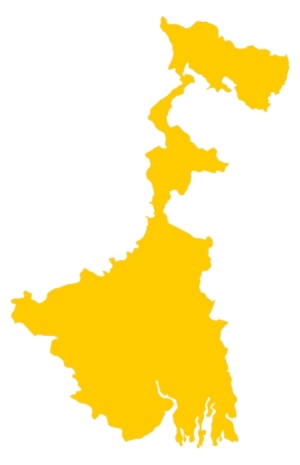 West Bengal
 Bihar
Bihar Uttar Pradesh
 Jharkhand